News & Events
Insights

Affordable Cities: The Cost of Living, Shaped by Design

June 18, 2026

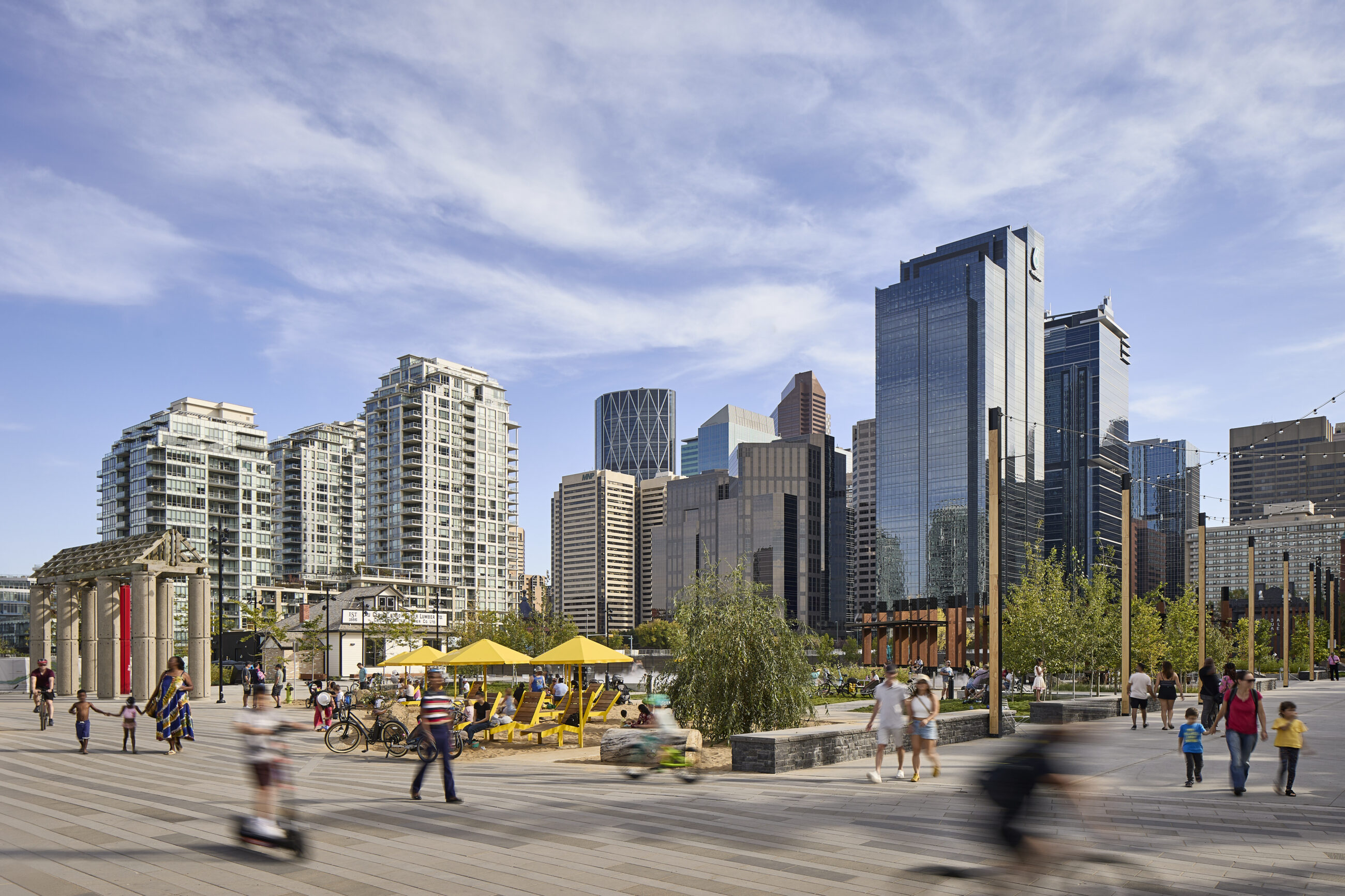
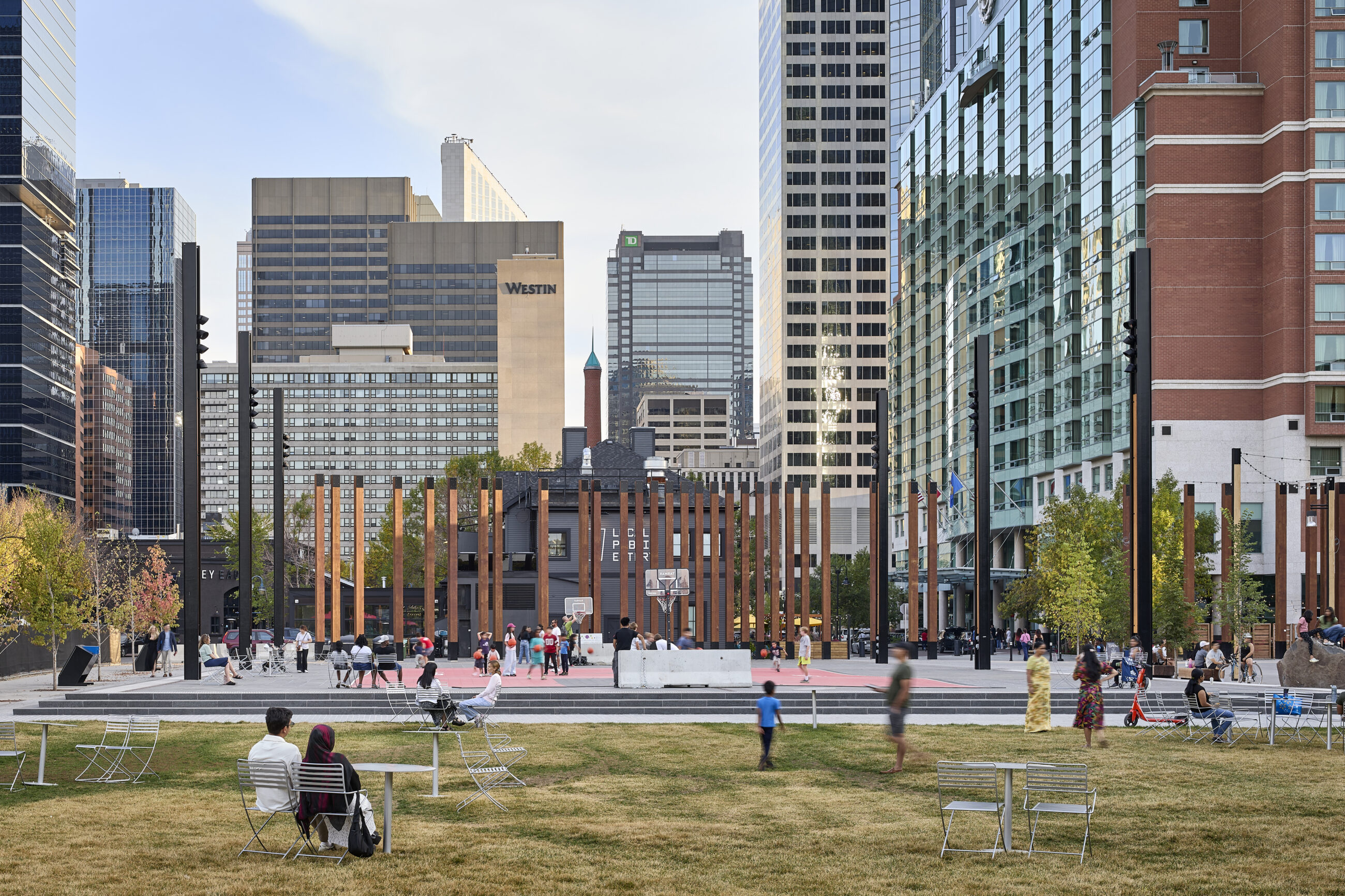
“Eau Claire Plaza is really about giving people a better way to connect with the Bow river and with each other. We wanted it to be a place that works on an ordinary Tuesday afternoon, but can also expand to support larger community events. The water play, playground, open spaces, seating, planting, and event infrastructure were all designed to make the plaza feel welcoming, flexible, and genuinely public.”  —  Bryce Miranda, DIALOG Partner, Landscape Architect

Discussions of Canada’s “affordability crisis” often focus on a single track: the high cost of housing. But when considered through a more comprehensive lens, true affordability means that Canadians can both afford to buy their homes and afford the cost of living in them.

For DIALOG Chair Antonio Gómez-Palacio, livable cities require integrated design solutions that cultivate opportunities for greater social, economic, and environmental wellbeing.

1. Beyond the monthly mortgage or rent payment, what hidden “compounding costs” should Canadians consider when determining if a community is truly affordable?

Lower purchasing prices or rent payments for housing in the suburbs or on urban outskirts often lead to car ownership, longer commutes, higher energy bills, and limited access to daily necessities. When we consider these added costs, the true monthly cost of living can quickly outweigh the savings on a mortgage or cheaper rent. The thoughtful design of the context within which a home is located can reduce living costs through land-use patterns that reduce the cost of transportation and provide access to affordable services and amenities.

2. In what ways does a city’s “built environment” (the way streets, shops, and homes are laid out) impact a household’s daily budget and long-term financial stability?

Design is one of the few tools that can influence multiple affordability levers (transit, energy costs, access to services and amenities) at once. The built environment has more influence on the true cost of living than one might consider at first glance, and in that same vein, design professionals play a vital role in tackling affordability pressures. Masterplanned developments that integrate public transit, energy efficiency, and access to essential services and amenities can reduce the financial pressures households face while generating lasting social, economic, and environmental returns. 

Tools like The Conference Board of Canada’s Community Wellbeing Framework exist to help communities, developers, and municipalities arrive at built environments that support healthy, resilient communities. The framework reinforces the idea that when we design for wellbeing at the systems level, the returns – social, economic, and environmental – directly strengthen affordability.
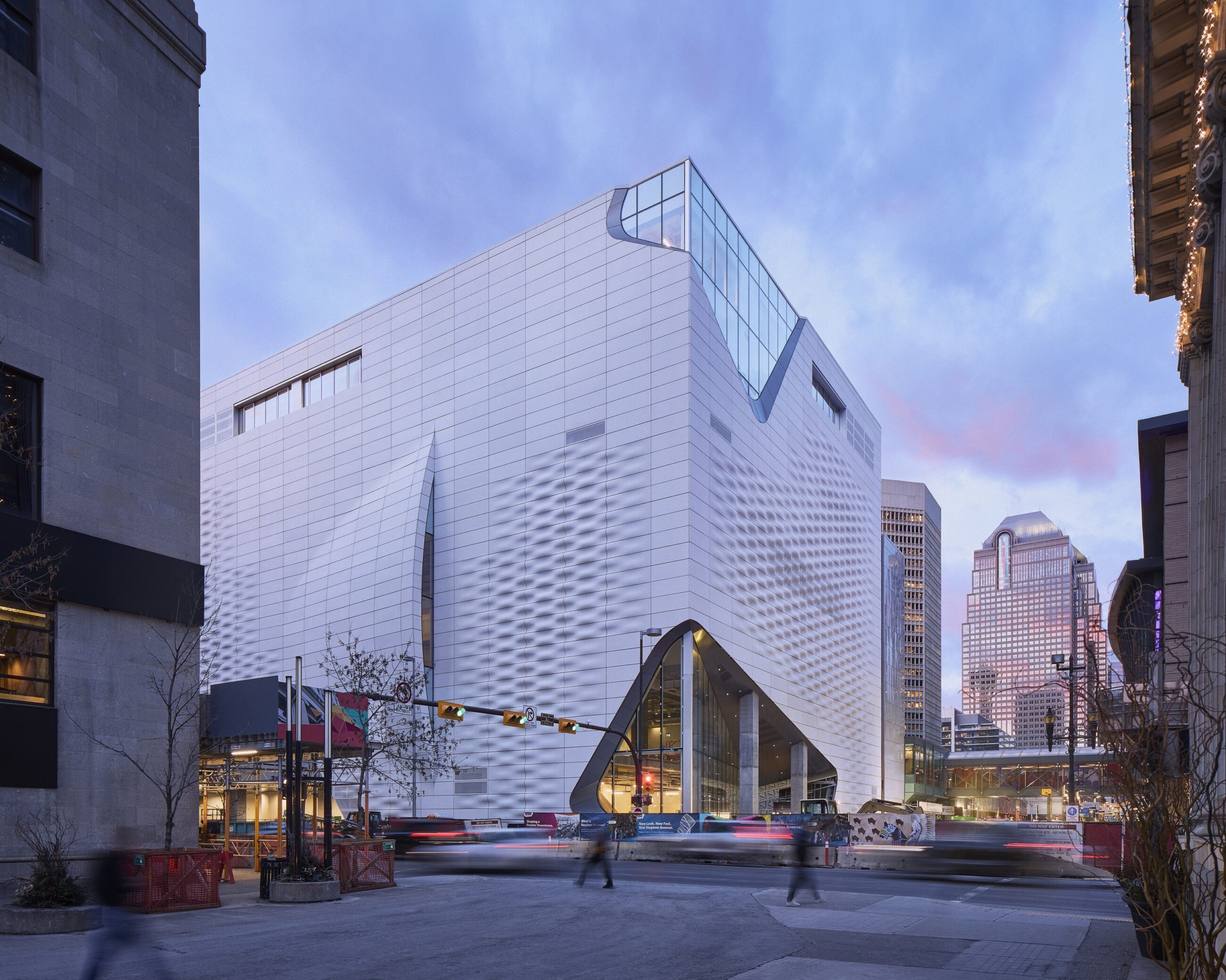
“By ‘opening the vault’, we’re articulating a clear message of openness – that the JR Shaw Centre for Arts and Culture (Glenbow Museum) is a space for everyone. The generous endowment from the Shaw Family Foundation for free general admission further realizes the vision of equitable access; everyone can enjoy what the museum has to offer, regardless of their financial circumstances.” – Robert Claiborne, DIALOG Partner, Architect

3. How does “siloed” policy-making – treating housing, transit, and energy as separate issues – actually end up making life more expensive for the average family?

At the policy level, housing supply is often discussed separately from transit or other household expenses. Energy bills are addressed independently from urban planning. When we think about affordability, access to groceries, childcare, or public space aren’t always considered as part of the equation. For households, these costs are intertwined, appearing on the same credit-card statement at the end of the month. When these issues are addressed separately from one another, they compound financial burdens for families, leading to more bills and higher costs than if solutions to these issues were more integrated. And when we silo housing from other design considerations, we miss opportunities to make sure our cities actually allow for affordable living.

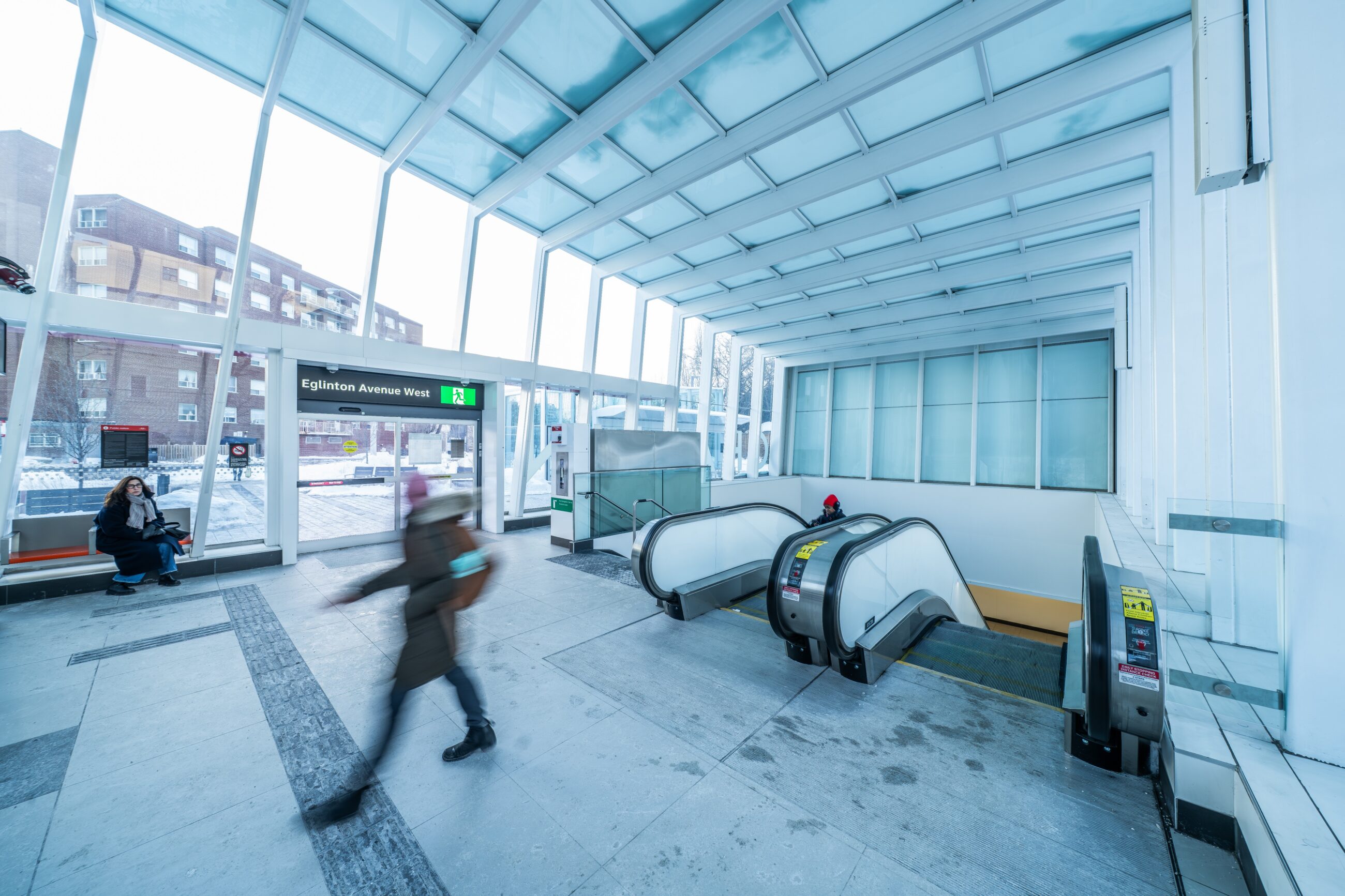
DIALOG was the architect of record for Avenue, Forest Hill and Chaplin stations.

“The Line 5 Eglinton LRT represents an important investment in expanding convenient and affordable transit access across Toronto, improving connectivity between communities and strengthening access to opportunities across the city.” — Sofia Rosemberg, Transit Practice Lead, Eastern Canada

4. What role do free public amenities and walkable infrastructure play in reducing a household’s “discretionary” spending on things like recreation and health?

Connected networks of wide sidewalks and multi-use pathways reduce car dependency, allowing people to get groceries within walking distance and access everyday services and amenities – work, schools, shopping, and recreation are all nearby. Communities with integrated public transit routes also offer convenient access to broader urban areas without added costs like car maintenance and insurance. Reducing the need to own a car immediately creates the ability for people to live more affordable lifestyles by reducing household costs.

Heavy investment in public parks and free amenities reduces household expenses on recreation while also supporting healthier lifestyles. In a walkable environment, people can play basketball or soccer down the street instead of getting in the car and spending money on a gym membership.

“Eau Claire Plaza is really about giving people a better way to connect with the Bow River and with each other. We wanted it to be a place that works on an ordinary Tuesday afternoon, but can also expand to support larger community events. The water play, playground, open spaces, seating, planting, and event infrastructure were all designed to make the plaza feel welcoming, flexible, and genuinely public.”  —  Bryce Miranda, DIALOG Partner, Landscape Architect